
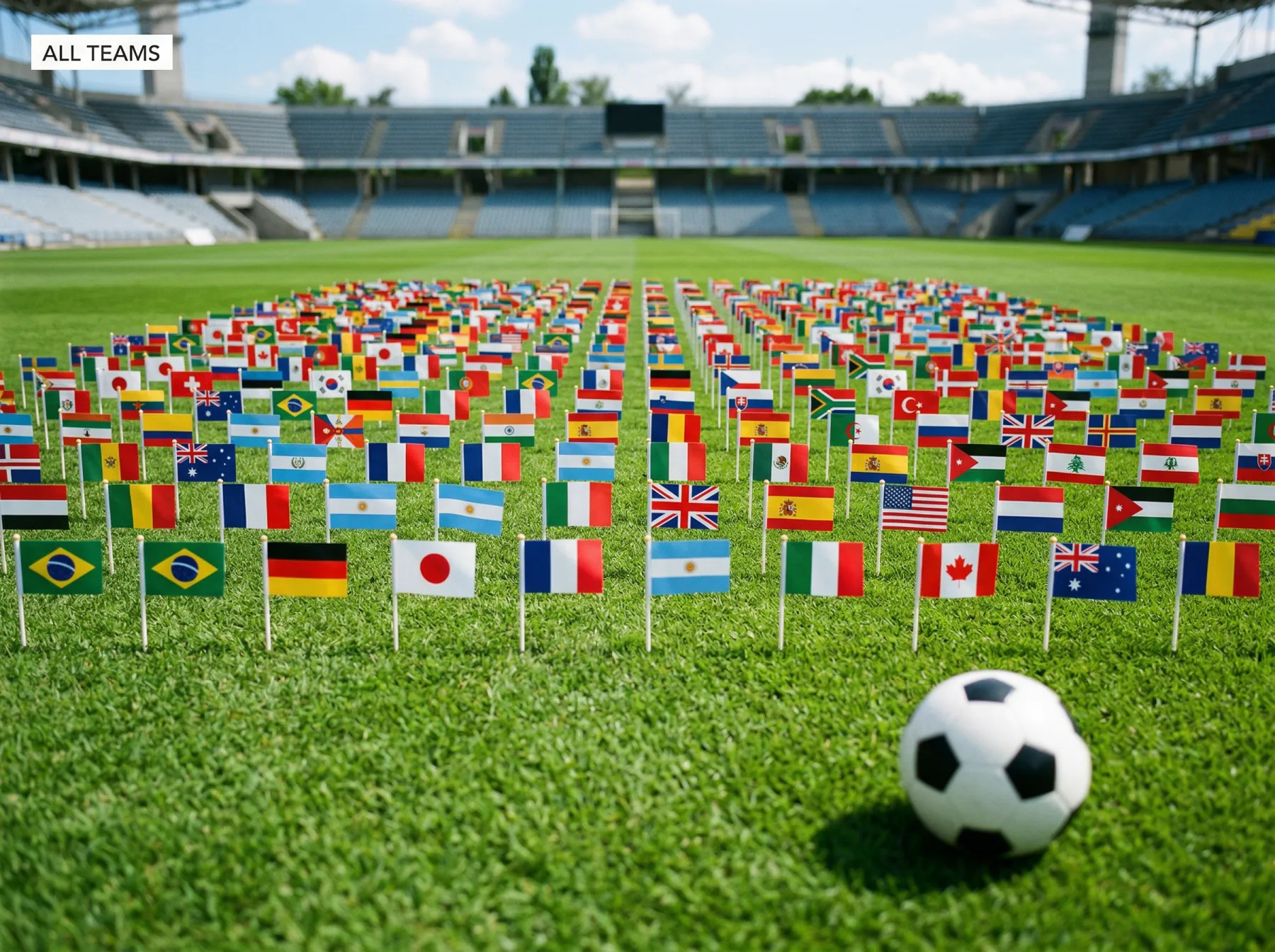
Forty-eight nations, six confederations, and four years of qualifying distilled into a single tournament. The 2026 FIFA World Cup field is the largest in the competition’s ninety-six-year history, and navigating it requires more than a passing familiarity with the usual suspects. Yes, Brazil, France, and Argentina are here. So are Haiti, Curaçao, and Uzbekistan — three teams making their World Cup debuts. The gap between the tournament’s top seed and its 48th-ranked qualifier is wider than ever, but the format’s third-place safety net means even the outsiders carry knockout-round ambitions.
I have profiled every team across this hub, from full-length analyses of the title contenders to compact overviews of the confederation qualifiers. This page sits at the centre of that web — a comparative look at the entire field, grouped by tier, confederation, and group placement. For Kiwi punters, I have given extra weight to Group G rivals and trans-Tasman neighbours, but the full 48-team reference table at the bottom covers everyone. Dive into whichever team catches your eye, or scroll through the tiers to see where the market thinks the value and the danger sit.
The Favourites — Title Odds Compared
There is a statistic I keep returning to whenever someone asks me who wins the World Cup: since 1998, only once has the pre-tournament outright favourite actually lifted the trophy — Brazil in 2002. Every other edition was won by the second, third, or fourth favourite in the market. That is not an argument against backing favourites. It is a reminder that the gap between tier-one teams is razor-thin, and the outright price you pay needs to reflect that.
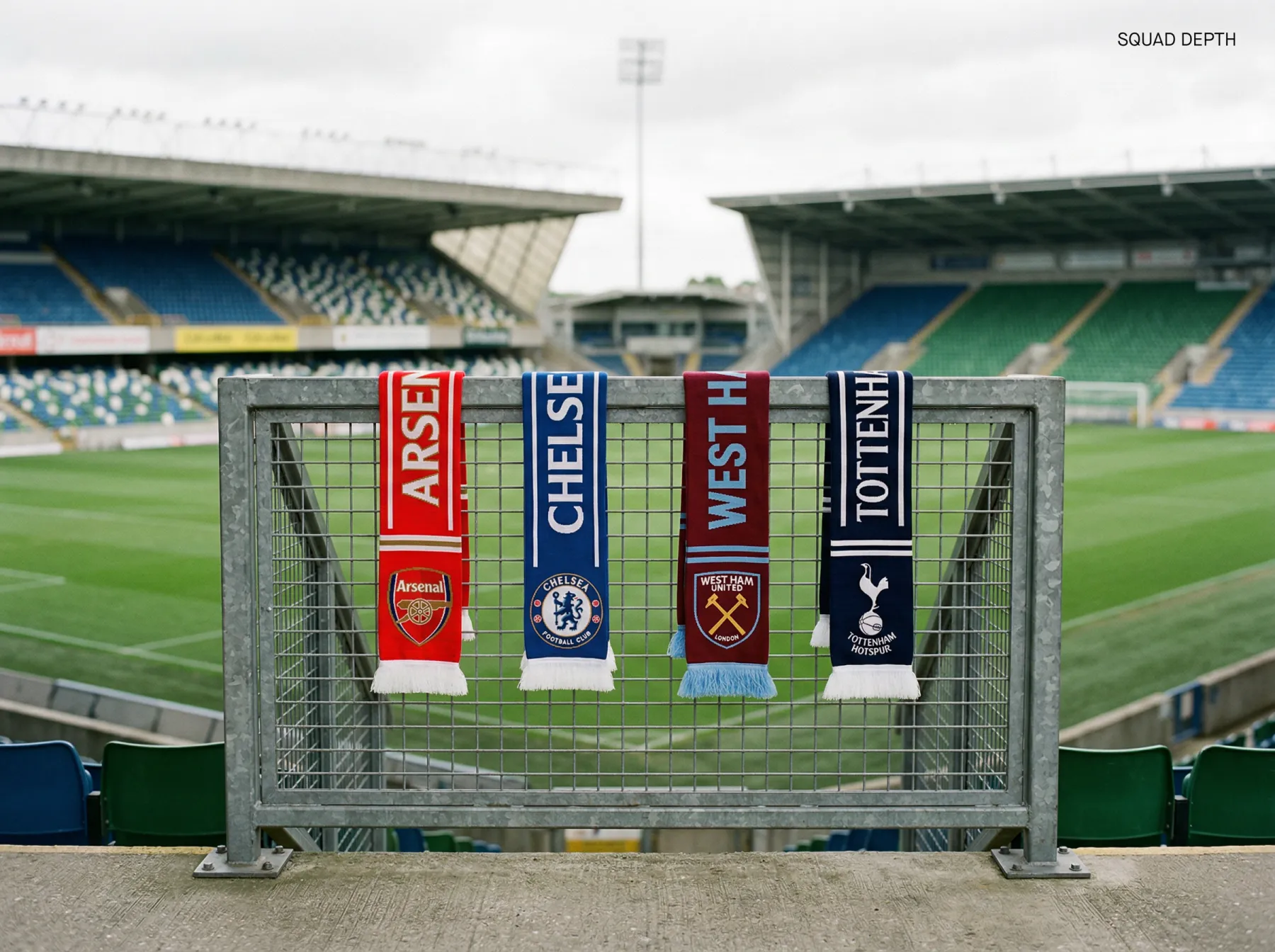
Brazil sit at the top of the 2026 betting at around 5.50, and their case is built on squad depth rather than a single superstar. The Seleção can rotate across all four lines without a measurable drop in quality — a claim no other team in the tournament can make. Their qualifying campaign through CONMEBOL, the world’s toughest confederation, saw them score 27 goals in 18 matches and concede just 12. The coaching setup has stabilised after the turbulence that followed the 2022 quarter-final exit, and the blend of experienced campaigners and emerging talent is balanced. Where Brazil concern me is in the knockout rounds, specifically in penalty shootouts, where they have been eliminated in two of their last three World Cups.
France at 6.00 are a machine built for tournaments. Didier Deschamps’ record across major competitions is extraordinary: a World Cup win in 2018, a final in 2022, and a Nations League title bridging the two. Kylian Mbappe has matured from a teenage prodigy into the most complete forward in world football, capable of winning matches single-handedly in a way that only Lionel Messi and Cristiano Ronaldo have managed in the modern era. France’s depth behind the first eleven is the lingering question — injuries to two or three starters could expose a drop-off that Brazil would absorb more comfortably.
Argentina at 6.50 defend the title they won in Qatar, but Lionel Scaloni’s challenge is evolution. Several pillars of the 2022 squad — including the goalkeeper and central-midfield axis — have aged out of peak condition. What remains is the tactical system, which has proven remarkably robust across the 2024 Copa America and subsequent qualifying matches. Argentina play a controlled mid-block that invites possession and strikes on transitions, a style that suits knockout football perfectly. The risk is in the group stage, where passive approaches can lead to draws against opponents content to take a point.
England at 8.00 are the highest-priced team I would still classify as a genuine title contender. Their Premier League core gives them depth across midfield and attack, and the set-piece coaching unit that has been embedded in the squad since 2018 produces goals at a rate unmatched in international football. England’s problem is psychological as much as tactical — the weight of expectation and a tendency to retreat into defensive postures when protecting leads in knockout rounds have cost them in two consecutive semi-final and final appearances.
Spain at 8.50 represent the youngest squad among the top-tier contenders, built on the generation that won Euro 2024 with an average age barely above twenty-four. Their midfield press is the most intense in the tournament, and the positional interchange between their attacking players creates overloads that even elite defences struggle to contain. Spain lack a traditional number nine — goals come from rotations, late runs, and wide combinations — which is either a tactical innovation or a structural weakness depending on the opponent. Against deep-lying defensive blocks, that lack of a focal point can lead to sterile possession.
| Team | Odds | Group | WC Titles | Avg Age of Squad | Players in Top-5 Leagues |
|---|---|---|---|---|---|
| Brazil | 5.50 | C | 5 | 26.8 | 21 |
| France | 6.00 | I | 2 | 27.2 | 22 |
| Argentina | 6.50 | J | 3 | 27.9 | 19 |
| England | 8.00 | L | 1 | 26.5 | 23 |
| Spain | 8.50 | H | 1 | 24.8 | 20 |
| Germany | 10.00 | E | 4 | 26.1 | 18 |
| Portugal | 12.00 | K | 0 | 26.4 | 19 |
| Netherlands | 14.00 | F | 0 | 27.0 | 17 |
Germany at 10.00, Portugal at 12.00, and the Netherlands at 14.00 complete the top tier. Germany’s resurgence after the Euro 2024 hosting cycle has restored confidence, but their 2022 group-stage exit remains a cautionary tale about complacency. Portugal have navigated the post-Ronaldo transition more smoothly than expected, with a spine of Champions League regulars aged 23-27. The Netherlands are the most tactically flexible team in the field, capable of deploying a back three or a back four mid-match, but their lack of a prolific centre-forward caps their ceiling in matches where they dominate possession without converting chances.
Outsiders and Underdogs
The 2022 World Cup produced three results that would have paid out at combined odds north of 500.00 if you had bundled them into a multi: Saudi Arabia beating Argentina, Japan beating Germany, and Morocco reaching the semi-finals. None of those outcomes were as unlikely as the odds suggested at the time. I flagged Japan and Morocco as value plays before Qatar, and the reason was the same in both cases — the market was anchored to historical perception rather than current squad quality. The same anchoring exists in 2026, and it creates pockets of genuine value for punters willing to look past the household names.
Japan at 34.00 to win the tournament is a price I would not bet, but Japan to reach the quarter-finals at around 3.50 is a different conversation entirely. The Samurai Blue’s starting eleven now features players from Bayern Munich, Liverpool, Real Sociedad, Brighton, Freiburg, and Monaco — a European league saturation that rivals some of the continent’s own teams. Their pressing game is among the most intense in world football, and they have the tactical discipline to switch between high-energy pressing and controlled possession depending on the opponent. Group F with the Netherlands, Sweden, and Tunisia is tricky, but Japan beat Germany and Spain in groups before and could easily finish first or second here.
Morocco at 34.00 outright carry the pedigree of a team that has proven it can compete at the highest level. Their 2022 semi-final run was built on defensive organisation that conceded just one goal from open play in the entire tournament. Walid Regragui’s tactical setup — a compact mid-block with rapid transitions through wide channels — is designed to neutralise possession-dominant teams. Group C pairs them with Brazil, which is a tough ask for first place, but second place is well within reach and a round-of-32 path from Group C’s second position could be favourable.
Colombia at 28.00 are the South American outsider with the most complete squad outside of Brazil and Argentina. They qualified comfortably through CONMEBOL, finishing fourth in a table where every away match is hostile and altitude changes disrupt preparation. Their midfield depth — anchored in Serie A and Premier League — gives them the ability to control matches through the centre, and their counter-attacking speed on transitions is elite. Group K with Portugal, DR Congo, and Uzbekistan is navigable, and Colombia’s round-of-16 opponent from a second-place finish could be beatable.
The USA at 22.00 occupy a strange middle ground — too expensive for a genuine outsider bet, too long for a favourite. Home advantage is the variable that separates them from the rest of this tier. Playing every knockout match on American soil, in front of American crowds, with American travel logistics, is an enormous edge. The USMNT’s golden generation — players who grew up in European academies and returned with tactical sophistication their predecessors lacked — is peaking at the right time. Group D with Paraguay, Australia, and Turkey is manageable, and the bracket path from first place in Group D could see them reach the semi-finals before facing a top-four seed.
Senegal at 67.00 deserve a mention as Africa’s second-strongest representative after Morocco. They have rebuilt effectively after the 2022 campaign, maintaining the defensive structure that took them to the round of 16 in Qatar while adding attacking depth through a new generation of Ligue 1 and Premier League forwards. Group I with France is a stern test, but Senegal’s target is second place, and they have the quality to beat Iraq and Norway to claim it.
Croatia at 40.00 are the sentimental choice — a nation of four million people that has reached two of the last three World Cup finals and a semi-final in the third. Their midfield remains among the best in the tournament, though the legendary Luka Modric is now forty and his involvement will be managed carefully. Group L with England, Ghana, and Panama gives Croatia a clear route to second place, and their knockout-round pedigree — particularly in penalty shootouts — makes them dangerous opponents for anyone in the bracket.
Group G — New Zealand and Rivals
I was in a Wellington pub when the draw was broadcast, and the moment New Zealand landed in Group G the room split between groans and grins. Groans for Belgium — a team with genuine title credentials. Grins for the realisation that Iran and Egypt, while strong, are beatable opponents for an All Whites side riding the momentum of a historic qualification. Group G is not the easiest draw New Zealand could have received, but it is far from the worst, and the format’s third-place lifeline transforms it from a three-and-out death sentence into a group with a genuine pathway.
Belgium are the clear Group G favourites, priced at around 1.55 to top the group. Kevin De Bruyne remains the creative fulcrum, flanked by Jeremy Doku’s pace on the wing and Charles De Ketelaere’s intelligence in the half-spaces. Belgium’s problem is not talent — it is tournament execution. They finished third in 2018 with what many considered the best squad in the world, then crashed out of the 2022 group stage with internal dysfunction and tactical stagnation. The coaching reset since then has addressed the systemic issues, but whether Belgium can translate squad quality into results across seven matches remains the defining question of their campaign.
Egypt bring Mohamed Salah to what may be his final World Cup. Salah is thirty-four and has spoken publicly about the toll of successive Premier League and Champions League campaigns on his body. His presence alone elevates Egypt’s ceiling — he scored seven goals in African qualifying and remains one of the most clinical finishers in world football from wide positions. Beyond Salah, Egypt’s squad is built on defensive discipline and set-piece prowess. They concede few goals from open play and create the majority of their chances from dead-ball situations and transitions. The match against New Zealand in Vancouver on 22 June is the fixture where the All Whites’ tournament could be defined.
Iran are the opponents New Zealand face first, on 16 June at SoFi Stadium in Los Angeles. Team Melli’s World Cup record is characterised by defensive solidity and low-scoring matches — their six tournament appearances have produced an average of 1.8 goals per group-stage game. Iran qualified comfortably through AFC, conceding just six goals in ten qualifying matches, and their squad features a mix of Iranian league stalwarts and European-based professionals. The tactical approach is predictable — a deep defensive block with quick transitions and aerial threat from set pieces — but predictability does not make it easy to break down.
New Zealand’s path through the group is straightforward in concept and demanding in execution. The Iran opener is the match the All Whites must target for points. A draw would be a solid result; a win would transform the group-stage calculus entirely. The Egypt match is the swing game — a result here, combined with points against Iran, would put New Zealand in a strong position for a best-third-place berth. The Belgium match is the fixture where tactical pragmatism matters most. If the All Whites are already on three or four points heading into the final game, they can afford to set up defensively against Belgium and limit the damage to goal difference.
The scheduling works in New Zealand’s favour. All three All Whites matches kick off at 1 PM or 3 PM NZT, which means afternoon viewing across the country. The two Vancouver matches — Egypt and Belgium — are at BC Place, so the squad does not need to relocate after the Los Angeles opener. That compact travel schedule, staying on the Pacific coast, minimises fatigue and disruption across the sixteen-day group window. For the dedicated breakdown of every match, the Group G analysis covers all permutations and scenario modelling.
| Team | FIFA Ranking | WC Appearances | Group Winner Odds | Key Player |
|---|---|---|---|---|
| Belgium | 9 | 14 | 1.55 | Kevin De Bruyne |
| Egypt | 34 | 4 | 3.75 | Mohamed Salah |
| Iran | 21 | 7 | 5.50 | Mehdi Taremi |
| New Zealand | 95 | 3 | 11.00 | Chris Wood |
Teams by Confederation
The allocation of World Cup berths across the six confederations tells you as much about the power dynamics of global football as any ranking system. Europe dominates with sixteen spots, but Africa’s jump to nine and Asia’s rise to eight reflect a genuine shift in competitive balance. I have tracked confederation performance at World Cups for a decade, and the trend is unmistakable: the gap between UEFA teams and the rest is narrowing, driven by player migration to European leagues and the professionalization of coaching structures in every confederation.
UEFA sends sixteen teams, the largest contingent: Belgium, Bosnia and Herzegovina, Czechia, Croatia, England, France, Germany, Netherlands, Norway, Portugal, Scotland, Spain, Sweden, Switzerland, Austria, and Turkey. The last four qualified through the playoff path, and their presence adds competitive depth to groups that might otherwise contain clear mismatches. Europe’s strength is squad depth — the continent’s top leagues develop and refine players year-round, meaning even the 16th-ranked European qualifier fields a squad where most starters play at a high domestic level.
CONMEBOL qualifies six teams from the world’s toughest regional competition: Argentina, Brazil, Colombia, Ecuador, Paraguay, and Uruguay. South American qualifying is an eighteen-match round-robin played over two years across some of the most hostile away environments in football — altitude in La Paz, humidity in Barranquilla, hostility in Buenos Aires. Teams that survive this gauntlet arrive at the World Cup hardened by adversity. Every CONMEBOL qualifier at this tournament has realistic knockout-round ambitions, and at least three — Argentina, Brazil, and Colombia — are genuine contenders for the semi-finals or beyond.
CAF’s nine African representatives are Algeria, Côte d’Ivoire, DR Congo, Egypt, Ghana, Morocco, Senegal, South Africa, and Tunisia. This is the largest African contingent in World Cup history, and it includes the 2024 Africa Cup of Nations winners (Côte d’Ivoire), the 2022 World Cup semi-finalists (Morocco), and multiple teams with deep pools of European-based talent. African teams have historically been labelled as inconsistent at World Cups, but that narrative is outdated. Morocco’s 2022 run, Senegal’s round-of-16 finish, and Cameroon’s victory over Brazil in the same tournament demonstrate that African sides are now capable of sustained excellence across a full group stage.
AFC sends eight teams: Australia, Iran, Iraq, Japan, Jordan, Qatar, Saudi Arabia, and South Korea. The Asian confederation’s representation has doubled from the 2022 allocation, and the quality justifies the increase. Japan are a dark-horse contender with a squad built in European leagues. South Korea bring experience and physicality. Iran are seasoned World Cup campaigners. Australia’s inclusion gives the tournament a trans-Tasman storyline for NZ fans, with the Socceroos drawn into Group D alongside the USA. The weaker AFC representatives — Iraq, Jordan, and Qatar — face steep climbs in their groups, but the expanded format gives them a fighting chance through the third-place pathway.
CONCACAF qualifies six teams as hosts and regional representatives: Canada, Curaçao, Haiti, Mexico, Panama, and the USA. Three of these nations — Canada, Mexico, and the USA — are co-hosts, guaranteeing home support and logistical advantages. Haiti and Curaçao are debutants, making their first World Cup appearances after breakthrough qualifying campaigns. Panama return after their 2018 debut. CONCACAF’s strength at this tournament is heavily front-loaded toward the three hosts, but the regional development programmes that produced Haiti’s and Curaçao’s qualifications suggest a confederation on an upward trajectory.
OFC, the smallest confederation, sends one team: New Zealand. The All Whites earned their spot through a direct qualification pathway — a first for the Oceania confederation, which has historically required an intercontinental playoff to reach the World Cup. New Zealand’s qualification is a landmark moment for OFC football, proving that the confederation can produce a team capable of earning its place without needing a playoff lifeline. Uzbekistan, qualifying through AFC, complete the 48-team field as the lone Central Asian representative.
Debutants and Returning Nations
Every World Cup produces a story that nobody saw coming, and it almost always involves a team playing in the tournament for the first time. In 2022, it was Morocco’s astonishing run to the semi-finals. In 2018, it was Iceland’s debut campaign that included a draw against Argentina. The 2026 edition introduces five debutants and several nations returning after decades of absence, and each one carries a narrative worth following — both for the human interest and for the betting angles that emerge when the market underestimates unfamiliar opponents.
Haiti are the headline debutants, the first Caribbean nation to qualify for the World Cup since Trinidad and Tobago in 2006. Their CONCACAF qualifying campaign produced victories over Honduras and Guatemala, powered by a squad that blends MLS regulars with Ligue 2 professionals from the French system. Haiti are drawn into Group C with Brazil, Morocco, and Scotland — a brutal group on paper — but their pace on the counter and crowd-fuelled energy could produce a result against Scotland in what shapes as the group’s decisive match for third place.
Curaçao make their World Cup debut as the smallest nation in the tournament by population, with roughly 150,000 residents on the island. Their squad punches above its weight thanks to the Dutch passport pathway — many players were born or trained in the Netherlands and play in the Eredivisie or lower European leagues. Group E with Germany, Côte d’Ivoire, and Ecuador is the toughest possible draw for a debutant, and their realistic ceiling is a competitive showing with a goal scored rather than points collected.
Uzbekistan enter via AFC qualification, a first World Cup appearance for a Central Asian nation. Their under-20 and under-23 teams have performed well at age-group tournaments, and the senior squad has professionalised rapidly. Group K with Portugal, DR Congo, and Colombia presents a steep challenge, but Uzbekistan’s midfield discipline could frustrate opponents who expect an easy three points.
Jordan qualify for their first World Cup after a breakthrough AFC campaign that saw them reach the 2024 Asian Cup final. Group J with Argentina, Algeria, and Austria is demanding, but Jordan’s defensive setup — built on organisation rather than individual quality — mirrors the approach that has served New Zealand and other underdogs well at previous tournaments.
Cape Verde, the Atlantic island nation, make their World Cup debut in Group H alongside Spain, Saudi Arabia, and Uruguay. Their qualifying run through CAF was a historic achievement for a country of 600,000, and the squad features several players from the Portuguese league system. Group H is loaded, with Spain and Uruguay expected to claim the top two spots, but Cape Verde’s story alone makes them a team to watch for neutral fans.
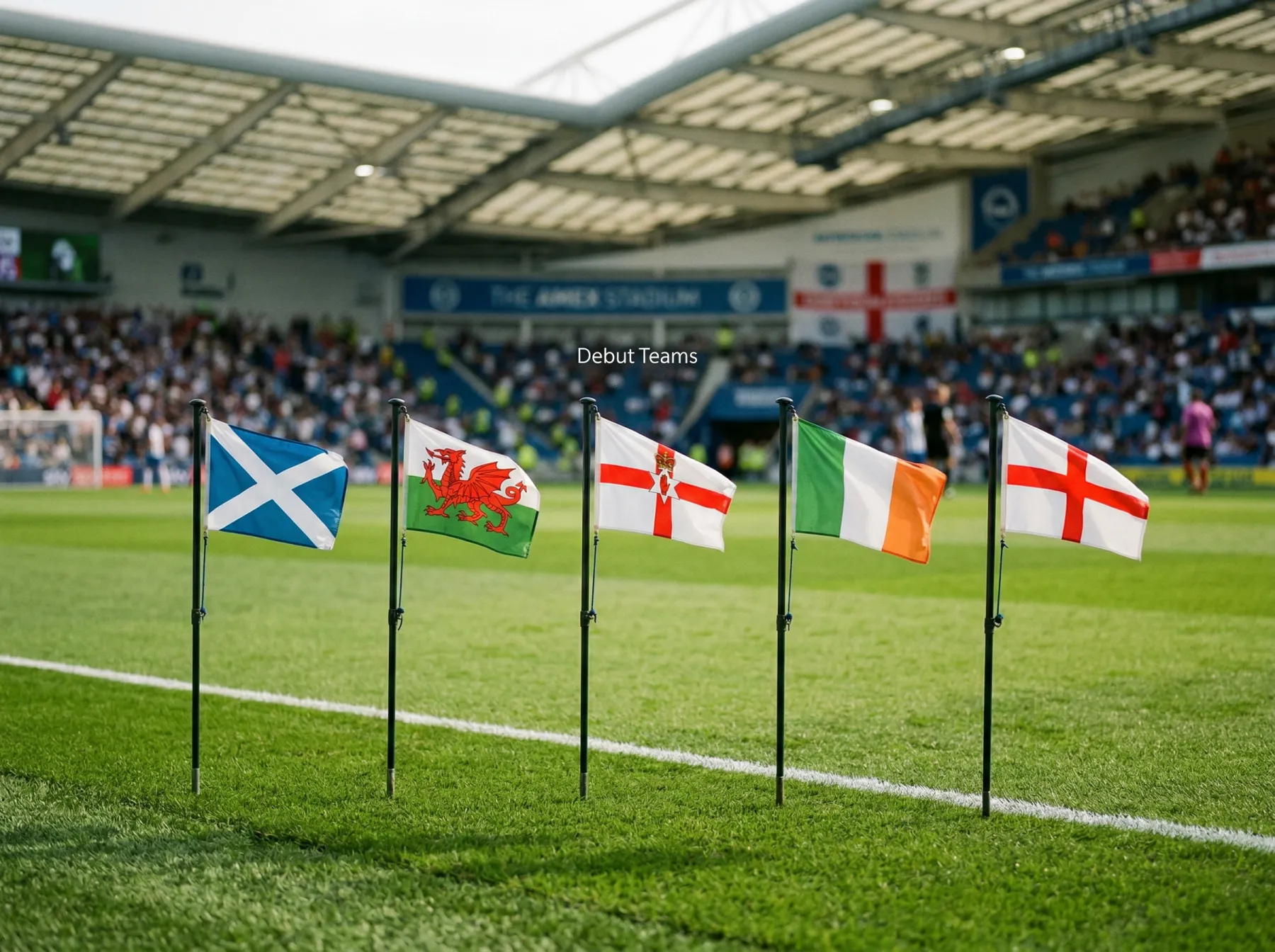
Among the returning nations, several have been absent for decades. Scotland last appeared at the 1998 World Cup in France, a twenty-eight-year gap that makes their Group C placement against Brazil a generational moment for Scottish football. Bosnia and Herzegovina return after their 2014 debut, having upset Italy in the UEFA playoff to secure a spot. Iraq’s last World Cup appearance was 1986 in Mexico — forty years of absence bookended by tournaments in the same country. South Africa have not played at the World Cup since hosting in 2010, and their return via CAF qualifying closes a sixteen-year circuit.
For betting purposes, debutants and returning nations tend to be overpriced in certain markets because the public anchors to unfamiliarity. The 1X2 draw price in matches involving debutants is historically undervalued — these teams play pragmatically, defend in numbers, and often collect a point in at least one group match. The draw in Haiti versus Scotland, for instance, could offer value that a simple comparison of FIFA rankings would not suggest.
All 48 Teams — Quick Reference Table
Scrolling through the complete field in one table reveals patterns the eye misses when you look at individual groups. Notice how heavily weighted the European contingent is toward the left side of the bracket — Groups A through F contain eleven of the sixteen UEFA teams. Notice how South America’s six qualifiers are distributed across six different groups, ensuring no CONMEBOL civil war in the group stage. And notice the debutant clustering: four of the five first-time qualifiers landed in groups with at least one top-ten ranked team, which limits their ceiling but guarantees them marquee matches on the global stage.
| Team | Group | Confederation | FIFA Ranking | Outright Odds | WC Appearances |
|---|---|---|---|---|---|
| Algeria | J | CAF | 32 | 200.00 | 5 |
| Argentina | J | CONMEBOL | 1 | 6.50 | 18 |
| Australia | D | AFC | 24 | 150.00 | 6 |
| Austria | J | UEFA | 22 | 100.00 | 8 |
| Belgium | G | UEFA | 9 | 18.00 | 14 |
| Bosnia and Herzegovina | B | UEFA | 55 | 300.00 | 2 |
| Brazil | C | CONMEBOL | 3 | 5.50 | 22 |
| Canada | B | CONCACAF | 40 | 100.00 | 3 |
| Cape Verde | H | CAF | 62 | 1001.00 | 1 |
| Colombia | K | CONMEBOL | 12 | 28.00 | 6 |
| Côte d’Ivoire | E | CAF | 38 | 100.00 | 4 |
| Croatia | L | UEFA | 10 | 40.00 | 7 |
| Curaçao | E | CONCACAF | 85 | 2001.00 | 1 |
| Czechia | A | UEFA | 36 | 200.00 | 2 |
| DR Congo | K | CAF | 48 | 500.00 | 2 |
| Ecuador | E | CONMEBOL | 28 | 67.00 | 4 |
| Egypt | G | CAF | 34 | 100.00 | 4 |
| England | L | UEFA | 4 | 8.00 | 16 |
| France | I | UEFA | 2 | 6.00 | 16 |
| Germany | E | UEFA | 8 | 10.00 | 20 |
| Ghana | L | CAF | 44 | 200.00 | 4 |
| Haiti | C | CONCACAF | 78 | 1501.00 | 1 |
| Iran | G | AFC | 21 | 200.00 | 7 |
| Iraq | I | AFC | 56 | 500.00 | 2 |
| Japan | F | AFC | 15 | 34.00 | 7 |
| Jordan | J | AFC | 67 | 1001.00 | 1 |
| Mexico | A | CONCACAF | 14 | 50.00 | 17 |
| Morocco | C | CAF | 13 | 34.00 | 7 |
| Netherlands | F | UEFA | 7 | 14.00 | 11 |
| New Zealand | G | OFC | 95 | 501.00 | 3 |
| Norway | I | UEFA | 42 | 80.00 | 4 |
| Panama | L | CONCACAF | 52 | 500.00 | 2 |
| Paraguay | D | CONMEBOL | 46 | 200.00 | 9 |
| Portugal | K | UEFA | 6 | 12.00 | 8 |
| Qatar | B | AFC | 35 | 300.00 | 2 |
| Saudi Arabia | H | AFC | 53 | 300.00 | 7 |
| Scotland | C | UEFA | 39 | 200.00 | 9 |
| Senegal | I | CAF | 17 | 67.00 | 3 |
| South Africa | A | CAF | 58 | 300.00 | 4 |
| South Korea | A | AFC | 23 | 100.00 | 11 |
| Spain | H | UEFA | 5 | 8.50 | 16 |
| Sweden | F | UEFA | 20 | 80.00 | 12 |
| Switzerland | B | UEFA | 16 | 50.00 | 12 |
| Tunisia | F | CAF | 37 | 200.00 | 6 |
| Turkey | D | UEFA | 26 | 80.00 | 3 |
| Uruguay | H | CONMEBOL | 11 | 40.00 | 14 |
| USA | D | CONCACAF | 18 | 22.00 | 11 |
| Uzbekistan | K | AFC | 64 | 1001.00 | 1 |
A few data points jump out from the complete field. The average FIFA ranking of the 48 qualifiers is approximately 35, compared to 27 for the 32-team fields at the last three tournaments. That wider spread confirms the expansion has brought in more mid-tier and lower-ranked nations, but the depth of European league experience across those squads means the quality gap is smaller than the ranking numbers suggest. Sixteen of the 48 teams have players who featured in the 2024-25 Champions League knockout rounds — a level of elite-club representation that would have been unthinkable for the lower half of a World Cup field a decade ago.
The confederation with the highest average ranking among its qualifiers is CONMEBOL at 20.2, followed by UEFA at 23.5. The lowest average belongs to CONCACAF at 44.8, dragged down by the debutants Haiti and Curaçao. For punters, confederation averages matter less than individual squad analysis, but they provide a useful baseline when assessing group competitiveness. A group with two CONMEBOL teams would be significantly harder than a group with two CONCACAF teams, and the draw ensured that never happens.
Teams FAQ
Forty-Eight Threads, One Tournament
The 2026 World Cup field is the deepest and most diverse in the tournament’s history. Five debutants bring fresh energy, the traditional powers carry the weight of expectation, and the mid-tier — Japan, Morocco, Colombia, the USA — has never been stronger. For Kiwi punters, the All Whites’ presence in Group G adds a personal stake that transforms every match from a neutral viewing exercise into something worth analysing, debating, and backing with a bet on TAB NZ.
Each team on this page links to a dedicated profile with squad analysis, group context, odds, and betting angles. Start with the All Whites’ full profile if you want the home-team perspective, or work through the favourites and outsiders to build a picture of the tournament’s competitive landscape. Forty-eight teams, one hundred and four matches, thirty-nine days. The field is set.